



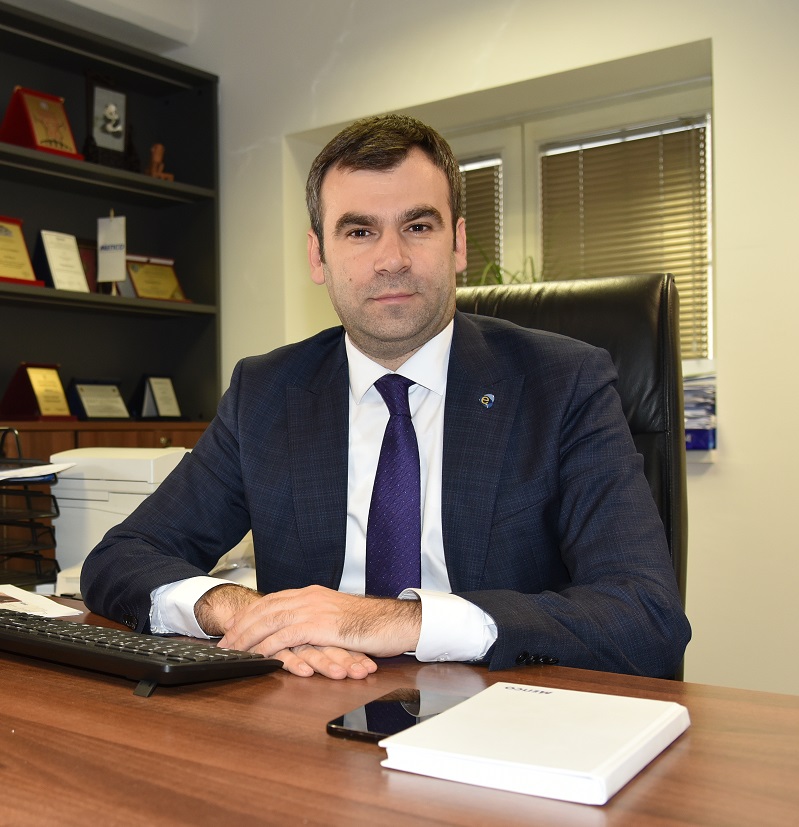

As AD MEPSO celebrates 20 years since its founding, the company faces both challenges and opportunities that will shape its future development and the reliability of North Macedonia’s power system. In an era of energy crises, climate change, and European obligations for market integration, the transmission system remains a crucial link in ensuring a stable electricity supply. The growing demands of the transmission network and renewable energy sources require swift and strategic decision-making. To discuss strategic investments in the transmission network, the integration of renewable energy sources, and future development plans, we spoke with Dr. Burim Ljatifi, Director-General of AD MEPSO.
In August 2024, you rose to the challenge to be the first man of AD MEPSO. How was the dare from a professor to become the head of a state energy company where things change at a fast pace and require scrupulous and liable decisions?
Accepting the position of the first man of AD MEPSO five months before the end of 2024 was an enormous challenge, but it was also a great honor and responsibility. The shift from an academic environment where I worked as a professor and my occupation was research to managing a national electricity transmission company meant professional change and personal transformation.
As a professor, I focused on analyses, studies, and the development of future generations. Still, the responsibility is big here at MEPSO because the decisions directly affect the stability and safety of the power system. We face dynamic changes in the energy sector globally and regionally, demanding constant adaptation and fast but examined and responsible decisions.
Nowadays, the energy sector faces multiple challenges, including the transition to renewable energy sources, digitalization, rising energy demands, and global climate concerns. At AD MEPSO, we actively analyze these issues and seek innovative solutions to enhance the reliability and modernization of our transmission network.
Our goal is to ensure system stability while driving its development through the implementation of new technologies, strengthening infrastructure, and fostering public trust. Although I have been in this position for only a short time, I am pleased to see the steady progress of the modernization project and the dedication of the MEPSO team, management, and all employees who serve as the company's backbone.
Given the ongoing rise in electricity prices on global markets, ESM imports electricity, increasing consumption while levels of hydro reservoirs are suboptimal; what are your expectations for the energy sector in the coming year?
In 2025, the energy sector in our country will face significant challenges due to global electricity price trends and local circumstances. AD MEPSO, as a key pillar of the power system, is responsible for ensuring reliable and secure electricity transmission in this environment. Achieving this requires close collaboration with all energy sector stakeholders, particularly ESM, and suppliers, to enhance planning precision and improve electricity balancing management.
This year, our primary focus will be to increase system efficiency and minimizing losses. We will also take swift action where necessary, particularly in response to supply disruptions and rising demand.
Additionally, the state of the power plants requires rational resource management. We must put the maximum effort into optimally using the domestic electricity capacities and timely importing electricity when needed. Therefore, we must provide financial sustainability and minimal import costs, considering the direct influence on the country's budget and final consumers.
Despite the challenges, there are significant opportunities for further investments in renewable energy and infrastructure modernization. We remain committed to accelerating the transition to a sustainable power system by investing in digitalization and automation, enhancing long-term network reliability, and optimizing operational costs.
While we anticipate a year filled with challenges and opportunities, we are confident in navigating them successfully. We are dedicated to ensuring a stable and secure power system for all citizens and businesses nationwide through strategic planning, accountability, and effective coordination.
Strategic moves towards reliable and steady power system
Compared to the first two quarters of 2024, when the company recorded financial losses, the third quarter ended with positive result. Define the path that should guarantee productive investments in terms of creating and managing steady and reliable power system in the most transparent way?
The positive financial result in the third quarter indicates that the newly implemented strategy and changes in management had a significant impact. Since day one, we have focused on increasing efficiency, rationalizing costs, and improving operational processes. We identified weaknesses inherited from previous management and undertook urgent measures to overcome them.
Several key priorities trace the path for beneficial investments. Our primary focus is infrastructure, as maintaining and modernizing the transmission network is fundamental to a stable and reliable power system. We are actively implementing capital projects to reconstruct and construct new substations and transmission lines while integrating advanced network monitoring and management technologies. As a company of public interest, we are committed to ensuring complete transparency in every investment. We have strengthened oversight of public procurement, introduced mechanisms to prevent irregularities, and ensured that all our actions are documented and accessible to the public.
We have implemented measures to enhance liquidity and ensure the efficient use of assets while simultaneously working to attract additional resources through European funds and partnerships with international institutions to finance critical projects. Furthermore, we are actively integrating renewable energy sources into the transmission system. This process demands technical upgrades and proactive planning to ensure sufficient capacity for transmitting electricity from these plants.
Our goal is not to pursue short-term financial gains but to build a sustainable system that will be a pillar of the economy and a stable partner for citizens and industry. Our vision is to create a reliable, secure, and modern power system that will grow based on transparency, responsibility, and innovation.
This year, marking the significant 20th anniversary of AD MEPSO, we started by energizing the new 400/110 kV transformer at the Bitola 2 substation. However, on the other hand, you terminated the contract for the construction of the interconnection transmission line with Albania. What activities are being undertaken to get things back on track?
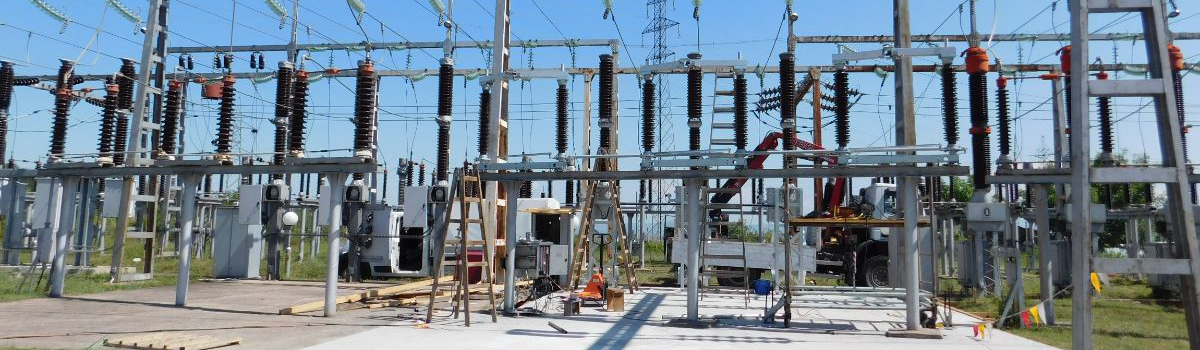
We are genuinely pleased that the year we celebrate the 20th anniversary of AD MEPSO began with the energizing of the new 400/110 kV transformer at the Bitola 2 substation. This infrastructure is a crucial part of the energy system, as it ensures a steady electricity supply for the citizens and industries in Ohrid, Struga, Resen, Bitola, and Prilep while strengthening the resilience and reliability of the transmission system. Our network was exposed to significant risk, primarily due to defects in both transformers, which created a real threat of a collapse of the entire power system.
In parallel with this project, we are also working on other key activities that will strengthen the stability of our network, such as reconstructing existing transmission lines and transformer stations.
The decision to terminate the contract to construct the interconnection transmission line with the Republic of Albania was unavoidable. The termination was driven by the contractor's inadequate performance, which could have led to significant delays and compromised the quality of the project. Our primary objective is to ensure that all infrastructure projects are executed to the highest standards and within the agreed timelines.
Following the termination of the contract, we have launched a comprehensive review of the interconnection transmission line project. We are currently preparing new tender documentation, which will incorporate strict selection criteria for contractors to prevent similar issues in the future. In parallel, we have established a special team to monitor every aspect of the project, from planning to execution, with a strong emphasis on quality and efficiency. In this regard, we maintain ongoing communication with our Albanian partners, relevant EU institutions, and other international organizations supporting the project to ensure effective coordination and continued support throughout its implementation.
The construction of the interconnection line with Albania is one of the most significant projects for regional energy connectivity, and we are determined to complete it successfully. This project will enhance supply security and enable more efficient electricity transmission between the two countries, which is crucial for the energy transition across the entire region. With the steps we have made and our commitment, we are confident that we will overcome any obstacles and execute the project as planned.
To sum up, the termination of the contract with the contractor, "Energoinvest," actually marks the beginning of the successful completion of this significant project.
Which investments in the power system will be priorities for the company in the current year? What is the expected realization dynamic for enabling timely and safe energy transition and maintaining a steady power system?
This year, AD MEPSO will focus on investments in modernizing and developing the power system. Our priority is to carry out projects to strengthen the infrastructure, which will enable the integration of renewable energy sources and create conditions for more efficient and safe transmission system management.
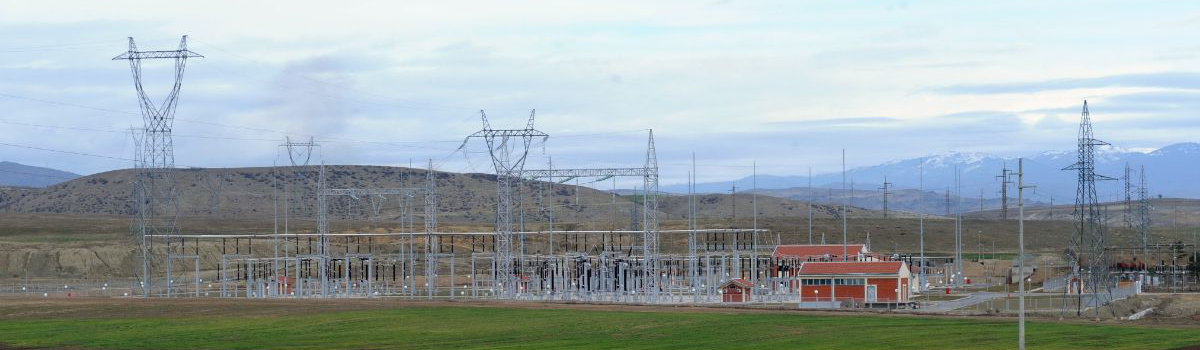
Besides the construction of the interconnection with Albania, we will concentrate on modernizing and upgrading the existing substations and reconstructing the existing transmission lines, which are truly important for the stability of the system. Of course, we will strengthen the transmission capacity of the network in regions where increased demand or production is expected. Investments will be directed toward creating the necessary conditions for connecting new renewable energy generation capacities. This includes building new infrastructure to integrate wind and solar power plants and expanding transmission capacity in areas with high production potential.
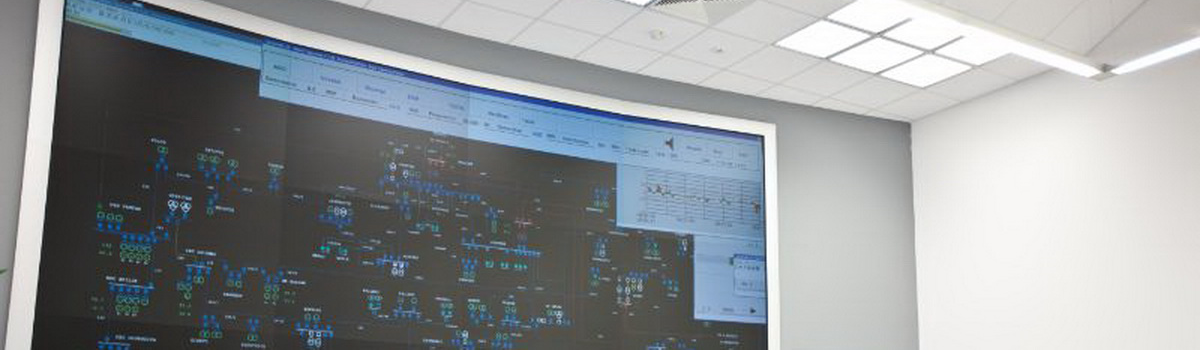
We will continue implementing digital network management systems, including SCADA systems, for real-time monitoring and control. These technologies are essential for timely and secure responses to system changes and efficiently managing the increasing dynamics of the energy transition.
At this moment, we are working on the following active projects: reconstruction of the 110kV transmission line from SS Bitola 2 to SS Prilep; procurement of equipment and construction of an underground optical cable installation; reconfiguration of the network in the Polog region, and reconstruction of the 110 kV transmission line from SS Gostivar through SS Oslomej, SS Kichevo, and SS Sopotnica to SS Bitola 1, which is currently in its final preparation phase.
We have set ambitious yet realistic project deadlines with clearly defined implementation phases. Additional resources are being secured to accelerate procedures, focusing on timely planning activities that depend on international and domestic partners. We have introduced enhanced coordination and project management to prevent delays and ensure that funds are utilized effectively.
With a well-defined strategy, effective coordination, and the dedication of our teams, we are confident that in 2025, we will make significant progress toward a stable and modern transmission system, fully prepared to meet the demands of the energy transition.How is MEPSO addressing the challenges posed by the green scenario outlined in the National Energy Development Strategy, particularly the implementation of European regulations and alignment with the EU's strategic commitments? What steps is MEPSO taking to integrate renewable energy sources into the power system?
Integrating renewable energy sources (RES) is a complex process that requires technical upgrades, regulatory adjustments, and financial investment. We plan to develop new infrastructure in regions with the highest solar and wind energy generation potential to connect the growing number of RES projects while maintaining network stability.
Currently, MEPSO has several active projects for modernizing and extending the substations to enlarge the capacity for new generation capacities, like the construction of a new substation near Gevgelija and reconstruction of the 110 kV OHTL to connect 1000 MW renewables, which at this moment is not operational due to the insufficient capacity of the transmission network in this region. Moreover, the interconnection with Albania will also enhance the export and import of green energy.
A particularly significant project for us is the development of smart grids, which we are launching in collaboration with the EBRD. This project aims to enhance the integration of renewable energy sources in the country while also serving as a foundation for future investments and addressing challenges in the transmission network.
North Macedonia has set a goal to integrate over 1.7 GW of renewable energy by 2030. A comprehensive Grid Development Study must define and address challenges related to renewable energy integration to achieve this. These studies will support updating the 10-year Network Development Plan (TYNDP) and preparing a robust investment strategy, ensuring a seamless transition for both the transmission and distribution networks.
Regarding alignment with European directives, MEPSO implements EU standards from the Third and Fourth Energy Packages, focusing on transmission system management rules, transparency, and non-discriminatory access to the network. We actively participate in regional energy connectivity initiatives, including projects supported by the Energy Community and the EU. Through partnerships with international financial institutions such as the EBRD and the EIB, we secure funding for infrastructure modernization and the development of green projects.
One of the top priorities is implementing European regulations and advancing the Market Coupling project under the ER CACM framework. How far has the market coupling process progressed, and what obstacles remain?
The implementation of Market Coupling, or energy market coupling, is both a significant challenge and a major opportunity for AD MEPSO to integrate our country into the regional and European electricity market. Strategically, this process is crucial, as it will optimize the allocation of transmission capacities, lower costs, and enhance competition.
We've already laid the groundwork for this integration through several Memorandum of Understanding. In 2018, North Macedonia signed an agreement with Bulgaria, followed by similar agreements with Greece, Albania, and Kosovo. In 2023, we took another important step by signing a memorandum with all participating countries to integrate day-ahead electricity markets and establish a unified electricity market connected to the European market.
However, specific challenges remain due to delays in completing key tasks in the previous period. First and foremost, the adoption of new legal regulations is essential. For this reason, the Ministry of Energy and Mineral Resources has been working intensively in recent months on drafting a new Energy Law, which is expected to be submitted to Parliament soon. In addition, significant efforts are required to harmonize methodologies among the countries involved in the market coupling process. This includes coordination between transmission system operators, electricity exchanges, regulatory bodies, ministries, and relevant EU institutions.
From a technical aspect, MEPSO modernizes its control and monitoring systems, including IT infrastructure and real-time data exchange platforms, which are obligatory for successful integration in Market Coupling. We collaborate with international partners to develop and test data exchange systems, capacity management, and trading process optimization. We actively participate in the Energy Community initiatives for market integration and follow the best practices of the countries that have already implemented Market Coupling.
Despite the many challenges, we are optimistic that the Market Coupling project will be successfully implemented with dedication and collaboration with regional and European partners. Connecting to the European energy market will bring significant benefits to citizens and the business community, as it will facilitate access to cross-border transmission capacity and help stabilize electricity prices, ensuring more realistic and competitive rates. Additionally, it will provide more opportunities for electricity procurement during peak demand periods.
What is your standing regarding the energy future of the country? Do you belive that Macedonia can be energy independant someday?
Energy independence is a long-term goal that requires a strategic approach, big investments, and constant collaboration among all stakeholders: the Government, energy companies, the private sector, and citizens. Our country's energy future depends on our ability to carry out a complete energy transition focused on diversifying energy sources, a larger number of generation capacities, and efficient resource management. Although independence is a complex and ambitious concept, it could be achieved later through real investments, politics, and a strategic approach.
North Macedonia has significant potential for energy production from solar, wind, and hydro resources. Rapid and strategic investment in these technologies will reduce dependence on energy imports and increase local productivity. Solar and wind power plants and the modernization of hydropower plants should be at the core of our strategy.
Furthermore, by reducing system losses and increasing energy efficiency in industry and households—through implementing modern technologies and energy efficiency policies—we can alleviate the pressure on generation capacities and the grid.
Given that the transmission and distribution systems are the foundation for stable supply, significant investments in network modernization will enable the integration of new production capacities and reduce the risks of interruptions. Technologies for energy storage, such as battery systems and accumulative hydropower plants, will be key to balancing the system, mainly due to the increased share of RES, characterized by variability in production.
By developing domestic capacities, increasing energy efficiency, and establishing regional cooperation, we can ensure energy stability and security for future generations. Our focus should be on sustainability, cost-effectiveness, and introducing innovative solutions that will drive the energy sector into a new era of development.